
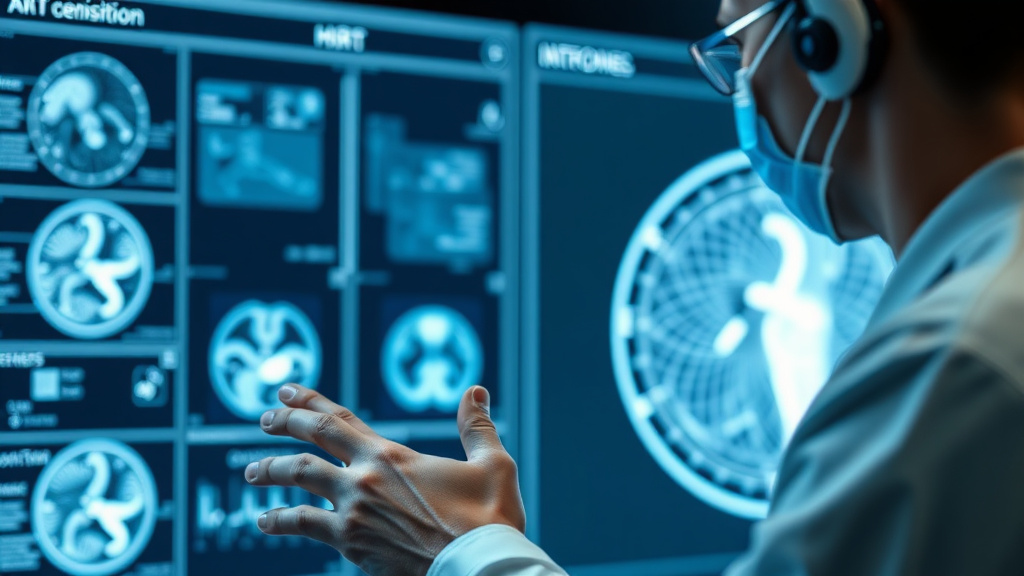
Imagine a world where diseases are recognized in advance of symptoms and diagnoses happen in moments rather than over weeks. AI systems is enabling this possibility, revolutionizing healthcare diagnostics with exceptional accuracy and lightning-fast results. From identifying cancer cases to identifying rare genetic disorders, AI-powered systems are exceeding standard techniques and rescuing many patients. This article investigates how advanced computational methods and sophisticated diagnostic imaging are revolutionizing how diseases are diagnosed, the practical examples of success transforming patient care, and the hurdles remaining in this pioneering shift in healthcare.
Revolutionary Impact of AI on Healthcare Imaging
Artificial intelligence has fundamentally changed medical imaging by bringing unprecedented levels of precision and efficiency to imaging analysis. Advanced neural networks now examine radiological images with impressive accuracy, identifying subtle deviations that might bypass human observation. These AI systems process complex visual data in seconds, dramatically accelerating the diagnostic timeline and empowering healthcare providers to initiate treatment plans faster than ever before.
The incorporation of AI into radiology departments has driven a significant change in how hospitals operate. Radiologists now partner with AI technologies that function as sophisticated analytical partners, improving their clinical accuracy and alleviating time constraints. This partnership model combines professional judgment with machine precision, producing enhanced clinical certainty and improved patient outcomes across various clinical fields and imaging technologies.
Improved Detection Features
AI-powered imaging systems excel at detecting early-stage diseases when treatment is most beneficial. These algorithms can detect minute calcifications, tumors, and structural abnormalities with detection rates above ninety-five percent in many applications. By analyzing large collections of sample images during training, machine learning models acquire pattern recognition abilities that exceed traditional diagnostic methods, enabling detection of conditions at their earliest, most treatable stages.
The advanced imaging detection capabilities extend across multiple imaging modalities encompassing X-rays, CT scans, MRI, and ultrasound. AI systems concurrently assess numerous diagnostic criteria while preserving uniform performance benchmarks throughout varied different patient demographics and imaging devices. This standardization guarantees consistent findings regardless of geographic location or organizational infrastructure, democratizing access to premier diagnostic precision.
Decreasing Diagnostic Mistakes
Human fatigue and cognitive constraints commonly lead to diagnostic errors in high-volume healthcare environments. AI systems operate with unwavering consistency, unaffected by fatigue, distraction, or time pressures that compromise human decision-making. By providing objective, data-driven assessments, artificial intelligence substantially decreases false negatives and false positives, minimizing missed diagnoses and unnecessary interventions that burden patients and healthcare systems.
The adoption of AI quality control systems provides enhanced protections against misdiagnosis. These systems highlight unclear findings for specialist review, guaranteeing complex or borderline findings receive appropriate human expertise and consideration. This intelligent triage approach optimizes resource allocation while preserving diagnostic reliability, creating a thorough safeguarding system that safeguards patient well-being throughout the diagnostic process.
Real-World Uses and Real-World Success Stories
Artificial intelligence has shifted from theoretical promise to real-world application in medical diagnostics, with numerous clinical applications delivering tangible benefits. Healthcare institutions globally are adopting AI systems that process diagnostic imaging, pathology reports, and patient data with exceptional precision. These applications have resulted in earlier disease detection, reduced diagnostic errors, and enhanced clinical outcomes across various medical fields. The incorporation of artificial intelligence into clinical workflows constitutes a paradigm shift in how clinicians approach diagnostic assessment and care planning.
Documented case studies showcase the profound influence of AI in medical environments. Medical institutions show significant improvements in accuracy of diagnoses, with some AI systems reaching capabilities that rival or surpass seasoned medical specialists. These innovations have produced quicker treatment processes, reduced healthcare costs, and improved patient outcomes for patients. As more healthcare providers adopt AI technologies, the overall body of evidence confirms that artificial intelligence is much more than a technological advancement but a critical advancement in diagnostic capacity.
Breakthroughs in Cancer Screening
Artificial intelligence-based cancer detection systems have achieved remarkable success in screening and diagnosis. Machine learning algorithms trained on millions of medical images can recognize malignant tumors in mammograms, CT scans, and pathology slides with outstanding sensitivity and specificity. These systems detect cancers at earlier phases when treatment is more efficient and minimally invasive. Leading oncology institutions indicate that artificial intelligence support has boosted identification rates by up to thirty percent while decreasing false positives, in turn enhancing patient survival outcomes.
Clinical trials show that AI systems are proficient in identifying minor irregularities imperceptible to the human eye. Oncologists using AI-assisted diagnostics report greater certainty in their assessments and quicker diagnostic results. The technology demonstrates exceptional value in identifying rare cancer types and identifying at-risk individuals for preventative measures. Hospitals deploying these systems have documented decreased diagnostic delays and enhanced care strategy development, producing better clinical outcomes and better long-term patient outlook.
Cardiovascular Disease Detection
Cardiovascular disease remains a leading cause of death worldwide, and AI is transforming its early detection and management. AI algorithms examine electrocardiograms, echocardiograms, and coronary imaging with high accuracy, detecting arrhythmias, valve abnormalities, and coronary blockages before symptoms emerge. AI systems can predict heart attack and stroke risk by analyzing patterns in patient data that human clinicians might miss. These applications allow for preventive interventions that save lives and decrease healthcare burden significantly.
Cardiologists increasingly rely on artificial intelligence diagnostic instruments that improve their clinical judgments. Studies indicate that artificial intelligence systems can recognize atrial fibrillation and other heart conditions with greater accuracy than conventional screening approaches. Integration of AI into cardiology workflows has minimized diagnostic delays and facilitated timely interventions for high-risk patients. Hospitals adopting these tools report enhanced patient outcomes, fewer emergency admissions, and improved quality of life for cardiac patients through early identification and treatment.
Upcoming Prospects and Deployment Obstacles
Emerging Technologies and Growth
The outlook of AI in healthcare diagnostics appears exceptionally promising, with advanced technologies poised to enhance diagnostic potential further. Quantum computing and sophisticated neural networks will facilitate even more complex pattern recognition, potentially identifying diseases at molecular levels previously undetectable. Combination of AI with wearable devices and distance monitoring platforms will democratize access to advanced diagnostic tools, enabling patients across the globe to receive world-class medical evaluations regardless of geographical location or healthcare infrastructure limitations.
Regulatory and Ethical Considerations
Despite significant potential, major integration challenges must be addressed before broad artificial intelligence implementation. Regulatory frameworks remain fragmented across jurisdictions, generating ambiguity for developers and healthcare providers. Data privacy concerns, transparency standards for algorithms, and responsibility concerns demand close attention. Developing standardized testing frameworks and ensuring artificial intelligence solutions complete rigorous clinical trials comparable to medication authorization standards will be essential for building trust and ensuring patient safety throughout healthcare systems globally.
Staff Integration and Development
Successfully implementing AI into medical environments requires comprehensive staff development and institutional reorganization. Healthcare professionals must develop new competencies to partner successfully with AI systems while maintaining their essential diagnostic expertise roles. Educational institutions and academic centers need program revisions highlighting AI literacy and human-AI collaboration. Tackling staff anxieties about position elimination through retraining programs and demonstrating how AI augments rather than replaces human expertise will be essential for proper deployment.
