
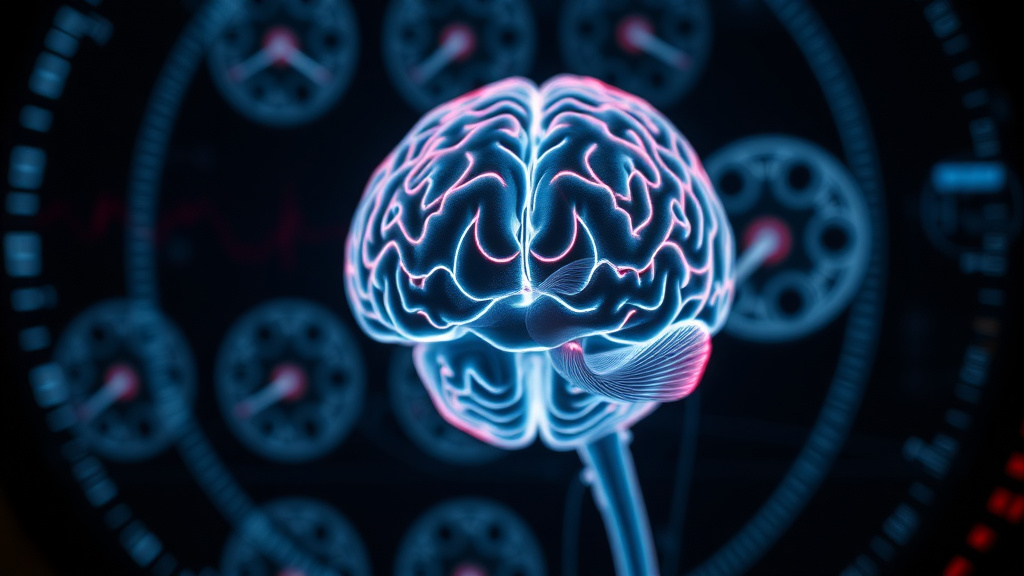
For decades, researchers have worked hard to understand the brain’s most enigmatic mechanism: how memories are created and persist. Now, state-of-the-art brain imaging tools are at last uncovering the hidden patterns that govern memory creation. This article explores major findings showing how sophisticated neuroimaging—from detailed fMRI scans to innovative brain mapping methods—is reshaping our knowledge of how memories develop. By visualizing brain cell activity at remarkable levels of precision, scientists are uncovering the complex interaction of neurons that supports everything we remember, promising groundbreaking therapies for memory disorders.
Advanced Imaging Techniques Reshape Memory Research
Modern neuroimaging techniques has reshaped memory research by making it possible for scientists to monitor brain activity with remarkable accuracy. Functional magnetic resonance imaging (fMRI), integrated with complex algorithmic analysis, allows researchers to track neural activation patterns in real-time as memories are created. These cutting-edge methods capture the intricate connections between various neural structures, revealing how information flows through neural networks during memory formation and recall. Such comprehensive imaging has transformed memory research from conceptual frameworks into empirical, quantifiable research.
The emergence of cutting-edge imaging approaches, such as two-photon imaging and optogenetics, has extended the scope of what scientists can visualize within the brain. These techniques extend deeper into neural tissue, exposing activity of individual neurons and neural connections once inaccessible to researchers. By merging different imaging techniques, scientists now create detailed maps of memory networks, determining critical molecular and cellular factors. This multi-modal approach has expedited findings about how the brain processes, maintains, and accesses information.
Understanding Neural Pathways and Neural Connections
The brain’s remarkable ability to preserve and recall information is fundamentally dependent on the strength and structure of connections between neurons. Advanced imaging technologies now enable scientists to see these neural connections in unprecedented detail, showing how synaptic connections intensify as memories form. These observations demonstrate that memory encoding involves coordinated activity across widespread neural networks, with specific regions transmitting via carefully coordinated electrical and chemical messages that create lasting structural changes.
Real-Time Observation of Memory Encoding
Modern neuroimaging techniques enable researchers to observe memory formation as it happens, capturing the dynamic changes in neural activity that occur during learning. Functional MRI with high resolution and two-photon microscopy provide scientists with real-time windows into how neurons fire and transmit signals during memory encoding. These technologies demonstrate that memory formation entails swift, synchronized activity across multiple brain regions, with neurons engaging in distinct patterns that align with the information being learned and stored.
The timing accuracy of sophisticated imaging techniques has revealed important information about the temporal dynamics of synaptic events throughout memory formation. Researchers observe that effective memory consolidation demands precise synchronization between presynaptic and postsynaptic neurons, a process called spike-timing-dependent plasticity. This mechanism strengthens links among neurons that activate simultaneously, creating the neural basis for enduring memory traces. Understanding these timing-dependent processes opens new possibilities for enhancing memory function and addressing memory disorders.
- Synaptic plasticity mechanisms strengthen connections during learning
- Neural oscillations synchronize function throughout different brain areas
- Neurotransmitter release patterns determine the strength of memories
- Changes in dendritic spines indicate structural memory consolidation
- Network synchronization enables the distributed storage of memory
Practical Applications and Future Implications
The insights emerging from sophisticated brain imaging methods hold great promise for clinical medicine. Neurologists and psychiatrists are now designing focused therapies for cognitive memory conditions such as Alzheimer’s disease, dementia, and post-traumatic stress disorder by understanding the precise neural mechanisms responsible for memory dysfunction. Early detection of degenerative brain diseases becomes possible through identifying abnormal memory development patterns before symptoms become apparent. These neuroimaging findings enable customized therapeutic approaches, allowing medical professionals to tailor therapies to each patient’s distinct brain chemistry and structure and improve treatment results.
Looking forward, the intersection between cutting-edge imaging technology, AI, and neuroscience offers revolutionary advances in medicine. Researchers envision developing therapies for cognitive enhancement, improving rehabilitation protocols for traumatic brain injury, and creating preventative interventions for cognitive decline associated with aging. As imaging resolution keeps improving and analytical capabilities expand, we can expect greater insight of consciousness, learning mechanisms, and neuroplasticity. These advances will eventually reshape how society tackles neurological challenges, offering hope to millions affected by memory disorders and transforming our fundamental comprehension of the human brain.
