
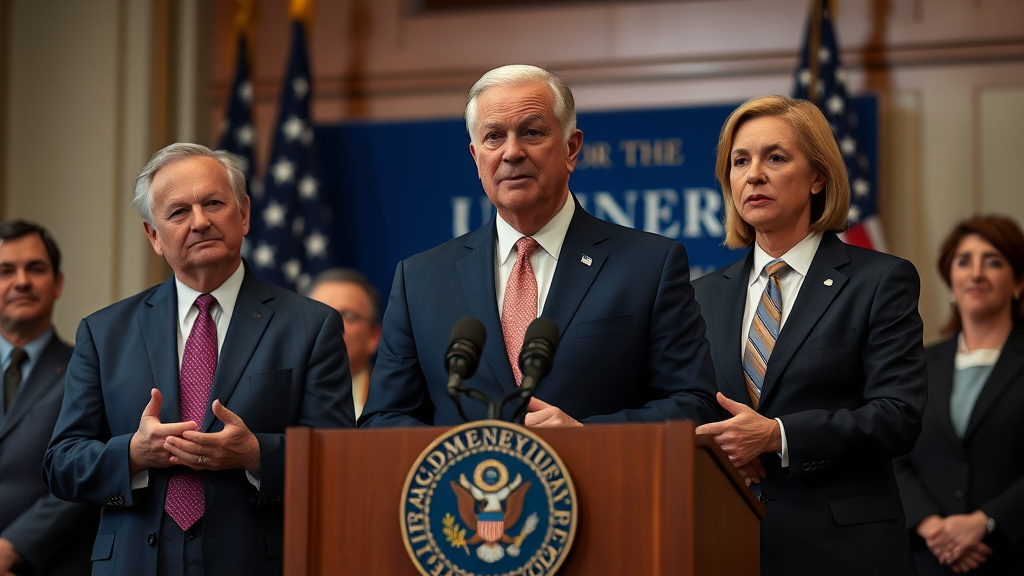
As immigration continues to be a divisive issue in American politics, a bipartisan group of political leaders has unveiled an ambitious proposal aimed at reforming the nation’s immigration system and enhancing border security. This extensive overhaul package addresses longstanding concerns from both sides of the aisle, combining stricter enforcement measures with pathway provisions. The proposal marks a significant attempt to break through political stalemate and tackle one of the country’s most hotly debated debates with practical solutions.
Essential Parts of the Reform Program
The reform package presents several key elements created to enhance border security infrastructure while streamlining immigration processes. Enhanced technological systems, including sophisticated detection technology and biometric verification technology, form the foundation of the enforcement strategy. Additionally, the proposal provides significant resources for staffing increases at border checkpoints and establishes new protocols for processing asylum claims more expeditiously, addressing both safety issues and human rights protections that have long impacted the current system.
Beyond enforcement actions, the package contains mechanisms for addressing the unauthorized residents currently living in the United States through a structured legalization pathway. The proposal establishes specific standards for qualification, background check requirements, and a schedule for reviewing applications. Furthermore, it improves employment verification processes to block future unauthorized employment while creating a more accountable labor market. These balanced components reflect collaborative agreements between lawmakers emphasizing border security and those promoting sympathetic immigration measures.
Border Protection Improvement Measures
The proposed immigration reform package emphasizes enhanced border security enhancements through targeted funding and updated enforcement protocols. These upgrade programs develop from current systems while introducing innovative approaches to address existing weaknesses. The plan stresses partnership between federal, state, and local agencies to establish a integrated security framework. Stakeholders contend these enhancements will substantially enhance operational efficiency and detection capacity along critical border regions.
Technology Infrastructure Investment
Advanced surveillance technology forms the cornerstone of the reform proposal’s border security strategy. The package allocates substantial funding for deploying state-of-the-art surveillance systems, such as artificial intelligence-powered sensors and live information analysis platforms. These technical systems aim to enhance detection accuracy while decreasing response delays. Investment in facility upgrades includes upgrading border barriers, communication networks, and processing facilities at major crossing points to improve efficiency.
Infrastructure enhancements go further than technology to include border security structures and facility improvements. The proposal suggests strategic deployment of additional personnel and resources in busy zones. Enhanced facilities will increase processing efficiency and staff working environments. Updated systems allows for enhanced teamwork between agencies and facilitates information sharing. These comprehensive investments reflect a strategic balance merging technology and physical improvements for optimal border security effectiveness.
- Deploy sophisticated monitoring technology and artificial intelligence sensors
- Upgrade physical barriers and defensive infrastructure systematically
- Update communication networks and data analytics platforms
- Expand operational centers and screening stations across the country
- Establish real-time monitoring and integrated agency coordination systems
Immigration Pathway Legal Reforms
The recommended reform package establishes major updates to the immigration system, streamlining application processes and decreasing bureaucratic bottlenecks that presently affect the system. By enhancing visa categories and setting more defined schedules for review, the legislation seeks to establish a streamlined pathway for qualified individuals wanting to work and settle in the United States. These reforms underscore the economic benefits of skilled immigration while upholding rigorous security and vetting protocols to ensure public safety.
Central to the immigration reform efforts is the creation of a points-based merit system that evaluates applicants based on educational background, work skills, and language ability. This method seeks to align immigration policy with labor market needs while decreasing reliance on family reunification preferences as the sole criterion. The plan also features frameworks for temporary worker programs and greater visa availability for industries facing labor shortages, weighing humanitarian concerns with economic competitiveness and security needs.
Implementation Timeline and Funding Strategy
The proposed immigration reform package details a gradual deployment strategy extending across five years, with early enforcement measures taking effect within the first twelve months. Priority funding will be allocated toward enhancing border infrastructure, introducing advanced surveillance technology, and recruiting additional personnel for customs and border agencies. The first phase prioritizes rapid deployment of resources to key border regions, guaranteeing immediate improvements in security capabilities while subsequent phases focus on sustained operations and technology modernization.
Broad funding mechanisms include a targeted funding bill requesting $50 billion over the five-year implementation period, supplemented by redirected resources from existing immigration programs. The strategy leverages collaborative public-private arrangements to leverage technological innovation and reduce government expenditure. Budget allocations prioritize data-sharing systems between agencies, staff training programs, and infrastructure improvements. Transparent oversight mechanisms and regular performance updates will ensure compliance, with provisions for funding modifications based on performance metrics and evolving security needs throughout the implementation timeline.
