
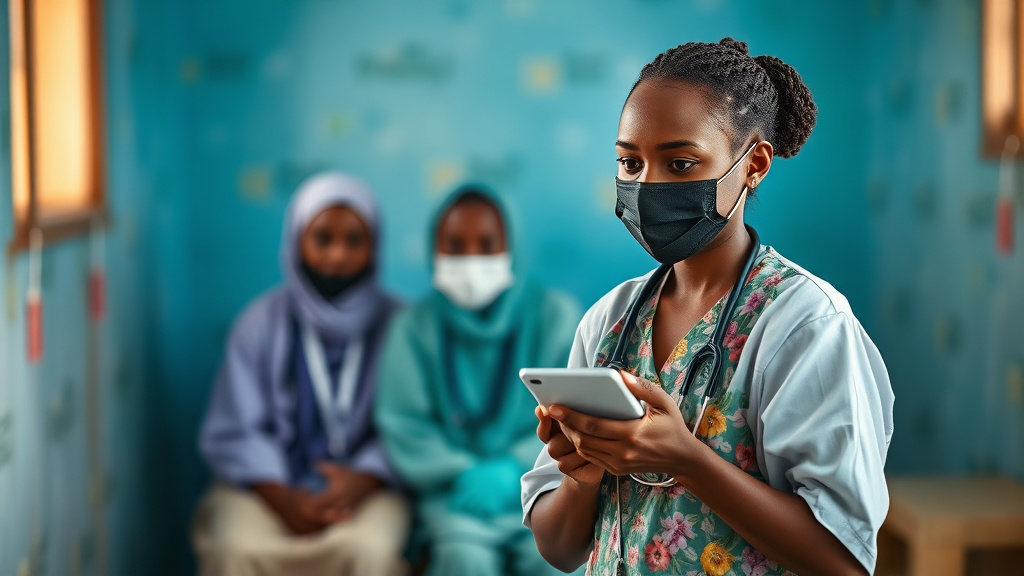
Every year, diseases that can be prevented claim millions of lives in low-income countries, yet effective interventions remain inaccessible for vulnerable populations. Recognizing this significant challenge, the World Health Organization has initiated comprehensive initiatives to enhance prevention approaches across areas with limited resources. This article examines WHO’s forward-thinking methods, including improved surveillance systems, vaccine distribution programs, and training for local health workers, designed to save lives and build robust health systems where it matters most.
WHO’s Integrated Approach to Disease Prevention
The World Health Organization has implemented a multi-pronged plan to fight disease in developing nations, targeting the underlying factors of health inequities. By integrating evidence-based interventions with community knowledge, WHO focuses on building lasting interventions that extend beyond temporary aid. This approach recognizes that robust prevention efforts requires cooperation among multiple sectors, encompassing education, sanitation, and nutrition, providing broad safeguards for marginalized groups.
Central to WHO’s mission is the principle of fair health distribution, ensuring that all individuals have availability to disease prevention care regardless of economic status. The organization partners with local partners and national governments to customize approaches to local requirements and cultural factors. Through joint partnerships and shared responsibility, WHO enables communities to take ownership of their health status, promoting sustained resilience and self-sufficiency in disease prevention activities.
Creating Community Health Facilities
Enhancing health system capacity underpins of WHO’s disease control efforts in low-income regions. The organization invests in building and modernizing health facilities, from rural clinics to specialized testing facilities, making certain residents obtain access to critical care. These facilities serve as hubs for disease surveillance, vaccination campaigns, and pregnancy and childbirth care, directly reducing mortality rates and improving overall population health outcomes in resource-scarce regions.
Infrastructure development goes further than physical facilities to incorporate stable procurement systems for medications and diagnostic equipment. WHO supports the establishment of refrigerated logistics systems for vaccine storage, laboratory networks for disease detection, and reporting infrastructure for continuous data transmission. These interconnected systems build a strong infrastructure that allows rapid response to epidemic events and ensures continuous access to life-saving interventions for isolated and disadvantaged groups.
Workforce Development and Training Programs
WHO acknowledges that long-term disease control depends on developing skilled healthcare workers at all levels. The organization implements extensive training initiatives for physicians, nurses, laboratory technicians, and community health workers, equipping them with up-to-date information and practical skills. These programs integrate classroom instruction with practical training, ensuring healthcare professionals can accurately identify diseases, deliver care, and educate communities about disease prevention methods in their local contexts.
Capacity development extends well beyond initial training to include continuous skill-building and mentorship opportunities. WHO establishes learning networks linking healthcare workers across countries, enabling knowledge sharing and best practice adoption. By supporting workforce development and building routes for professional growth, the organization guarantees that low-income countries keep qualified personnel, reducing brain drain and building sustainable healthcare workforces equipped to handle current and emerging health challenges.
Influence on Vulnerable Populations
The WHO’s strengthened disease prevention strategies focus on the health disparities impacting marginalized communities in low-income countries. By deploying focused immunization initiatives and strengthening health system capacity, these efforts make certain that underserved populations secure equitable access to life-saving interventions. Women and children alongside elderly individuals especially gain from improved monitoring systems that facilitate timely disease recognition and swift intervention, decreasing death rates significantly.
Community health workers function as vital connections between healthcare systems and vulnerable populations, providing culturally appropriate education and preventive services. The WHO’s educational initiatives strengthen grassroots health workers to detect disease risks, administer immunizations, and promote wellness behaviors within their communities. This community-based model creates relationships, addresses language barriers, and makes certain that disease prevention strategies align with populations traditionally marginalized by conventional medical systems.
Upcoming Projects and International Collaborations
The WHO is committed to expanding its disease prevention programs through targeted funding in digital tools and facilities across low-income countries. New programs will emphasize building laboratory capacity, deploying cutting-edge diagnostic systems, and creating real-time monitoring systems. These initiatives aim to enable early detection and rapid response to evolving health challenges, ultimately reducing disease burden and mortality rates in disadvantaged groups worldwide.
Global alliances remain critical to WHO’s objective of advancing equitable health outcomes. The organization is actively collaborating with governmental bodies, NGOs, and private sector stakeholders to gather funding and expertise. These partnerships will enable information exchange, technology transfer, and sustainable funding mechanisms, guaranteeing that preventive health approaches are implemented with effectiveness but also maintained long-term for enduring results in resource-limited settings.
